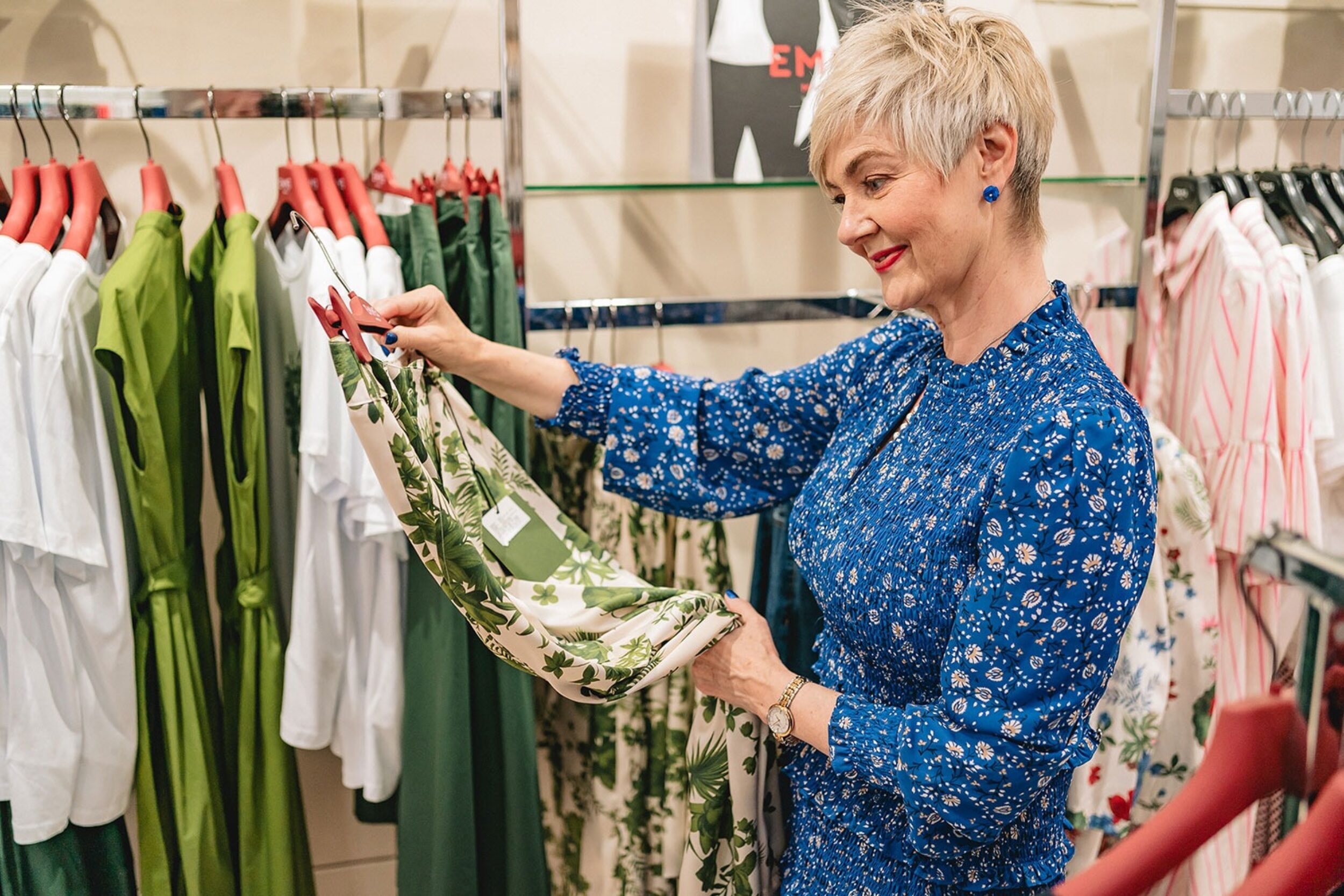
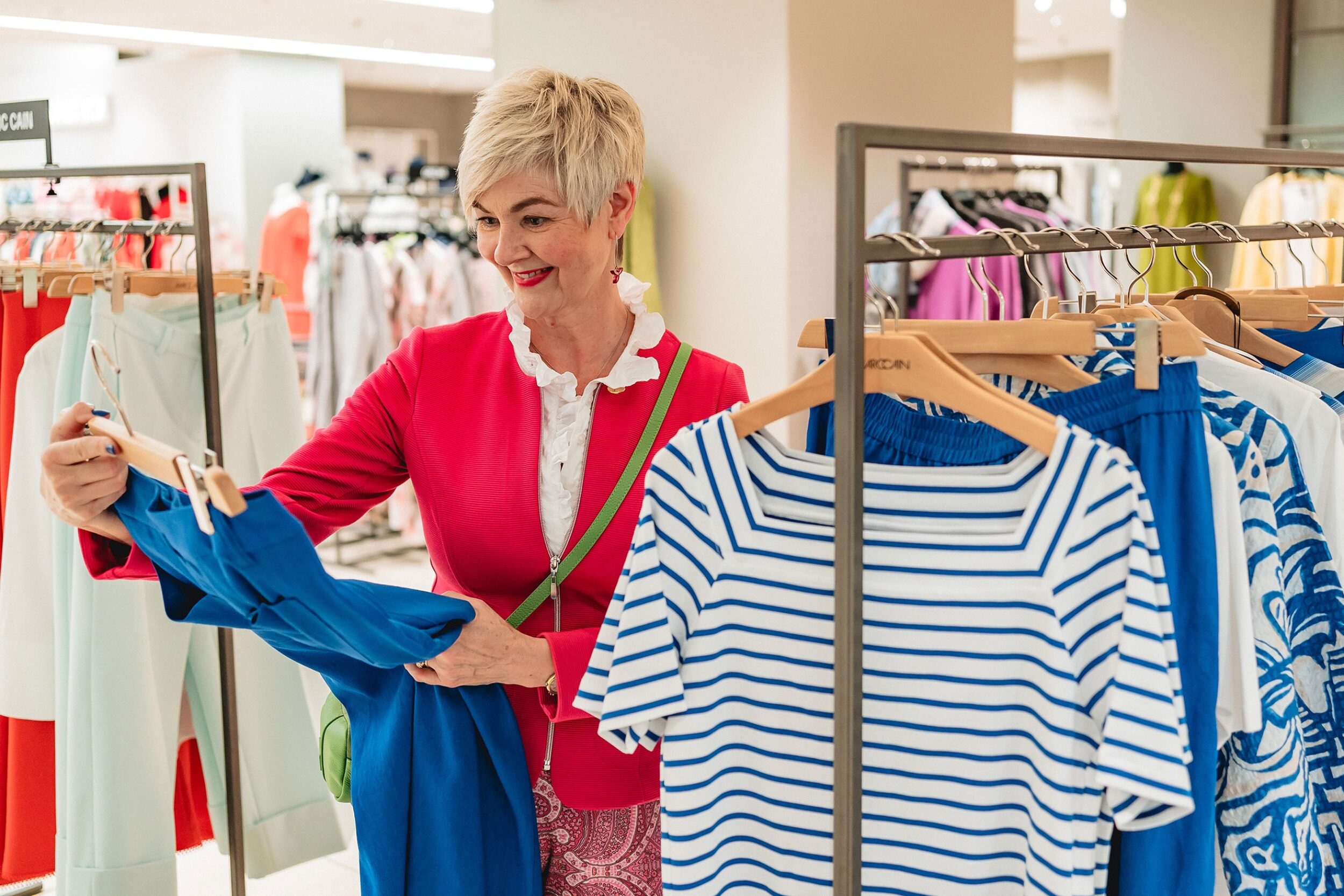
Dressing sustainably isn’t simply a trend, it’s a smarter responsibility that supports both the planet and our wallets. The speed at which clothing trends and new collections are introduced encourages us to buy more. We can feel pressured to ‘keep up’ so we continue to purchase simply to stay ‘up to date’.
I was delighted therefore to see during this month’s London Fashion Week, an increasing number of designers exhibiting more ethical and sustainable credentials in their clothing ranges. Also Oxfam featured for the third time showcasing ‘looks’ from their pre-loved clothing ranges. I love how this shines a light on the importance of shopping pre-loved.
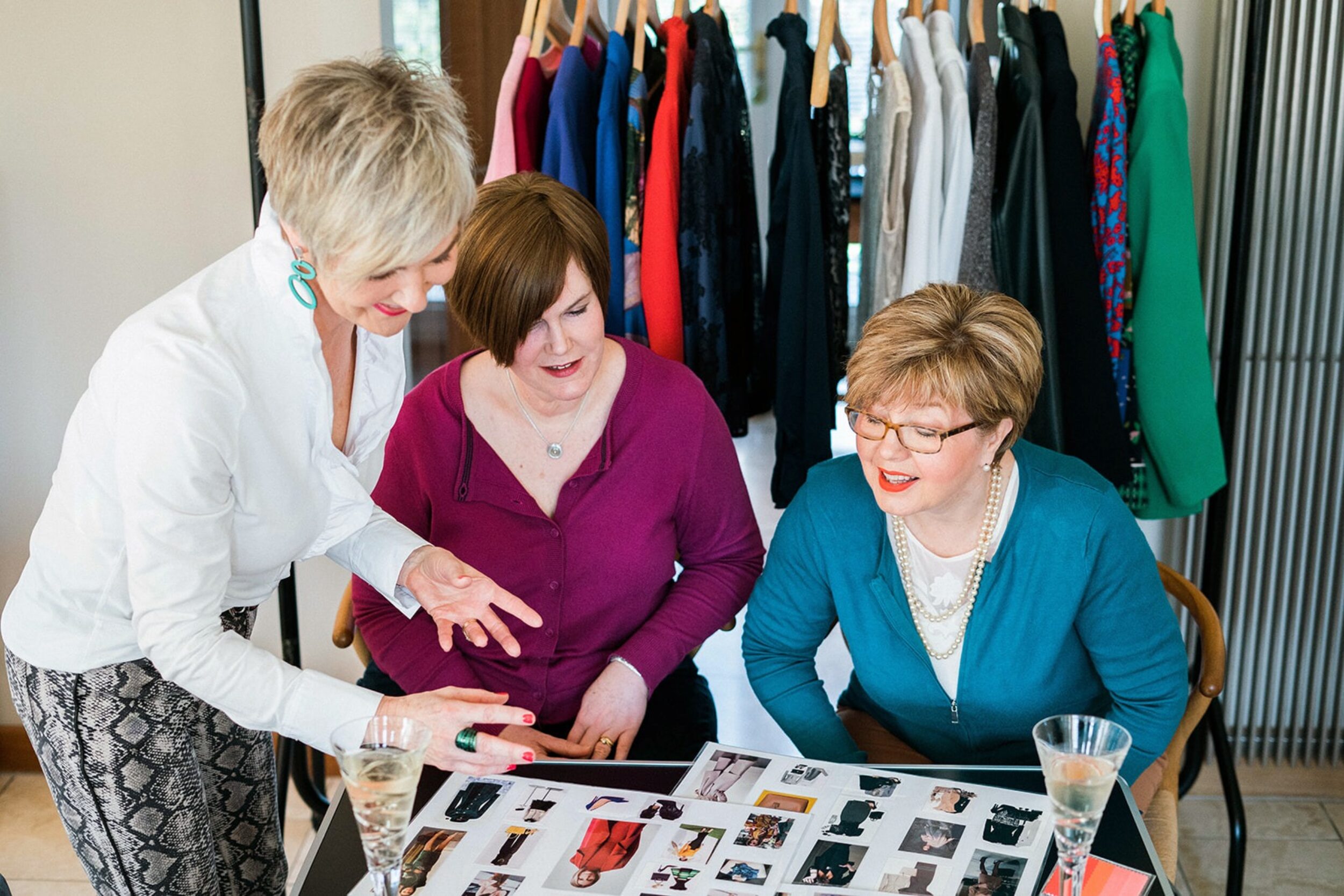
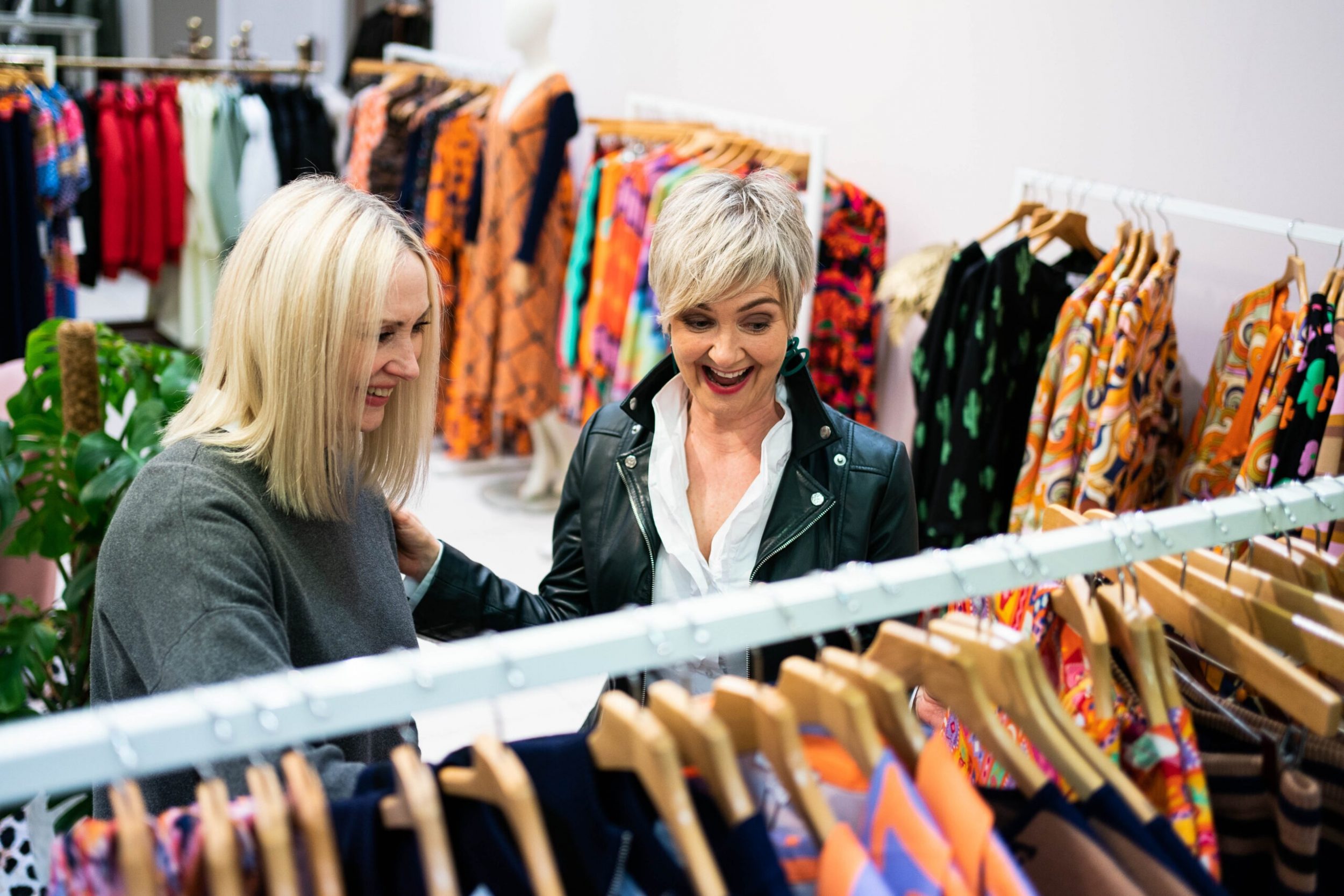
Working alongside our local dress agency York Designer Dress Agency earlier this month I also realised that in showcasing some of the pre-loved fashions during an evening of dressing sustainably there is an increasing interest in wanting to reconsider the way we shop for our clothing. Not purely to reduce our spend but in making more informed clothing choices, we alter the way we consume.
Let me share my 5 favourite steps to reducing the environmental impact created by fast fashion.
WEAR WHAT WE ALREADY OWN
Get creative and wear wat we already have. Style it up, pair it differently, create a new pairing.
Think twice about what and more importantly, HOW we discard our unwanted garments. Buying something new for the sake of it, doesn’t necessarily make us happy.
Here are my 5 favourite steps to reducing the environmental impact created by fast fashion.
CHANGE OUR ATTITUDES TO SHOPPING
 I have often spoken of the effect of fast fashion production upon our environment. I do believe that we CAN all play a part in reducing the environmental impact by shopping smarter.
We can help to change the culture of consumerism by choosing more sensibly and buying less. Buy only what we need to replace, try clothing rentals and try pre-loved clothing. There are some great vintage shops offering some quality treasures that have all been saved from landfill. That has to be worth learning more about. If you are close to York, try York Designer Dress Agency.
BUY LESS
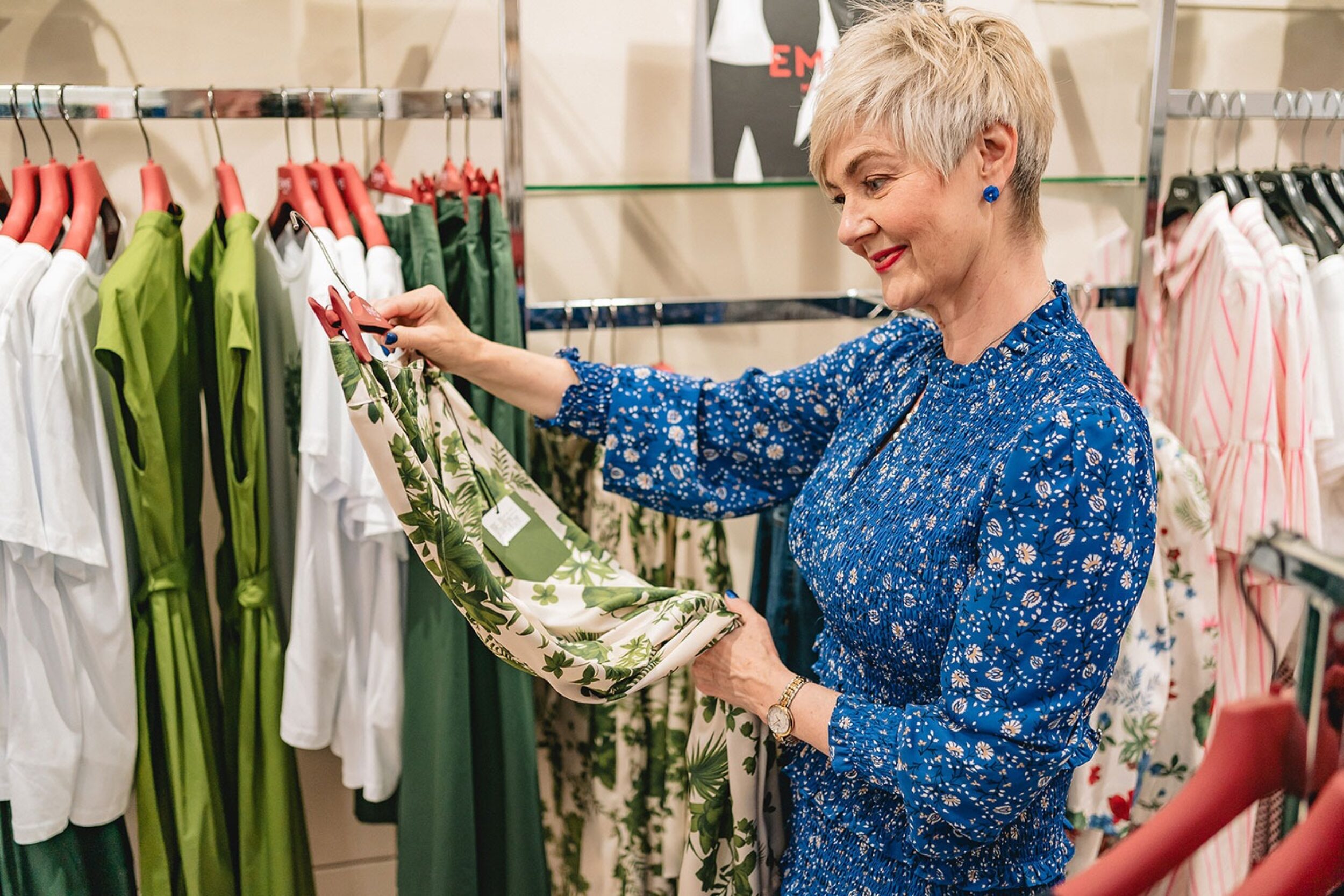
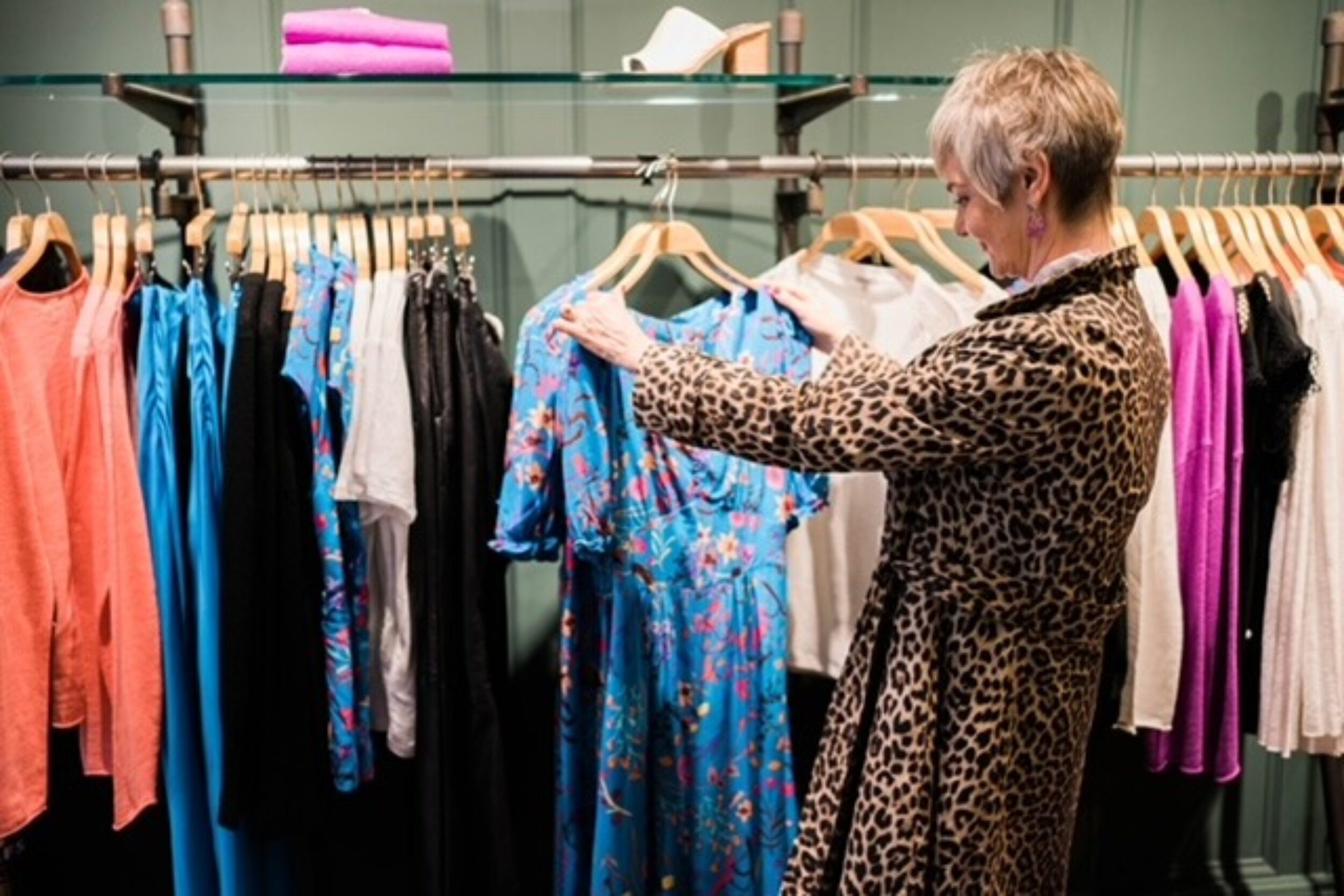
 Instead of buying new, consider buying pre-loved. This means that you are helping to extend the life of a garment and reducing the valuable resource required for ‘new’ manufacture. You can generally find some incredible designer pieces of a higher quality for a lower price. In my experience, many items still have their original labels attached.
Understand what suits and flatters us. When we understand what suits us, be it colour, style or vibe, we are able to make more discerning choices. Buying trend items is rarely a good strategy unless it works for our body shape lifestyle of personality.
If we do buy new, consider purchasing from Sustainable brands. More and more fashion brands are taking into account the environmental and socially ethical impact of their production. We do clearly pay a higher price for these brands but the more we demand sustainable clothing, the more will be available. I liken dressing sustainably to organic food. It was initially harder to source and obtain but now is more readily available.
CHOOSE MORE SELECTIVELY

Image Credit: GOTS
Look out for organic or Eco-friendly certifications
This may take some time but researching some new brands that operate with green credentials - look out for organic or Eco-friendly certifications. Granted, the offer is currently quite limited. Take a peek at Free People and Baukjen. We can also choose fabrics that are natural or organic such as linens, silks, wool or synthetically derived fabrics from plant materials such as Viscose, Lyocell, Tencel or Rayon. All of which will biodegrade. You will be more informed to make better future choices.
RESPECT OUR CLOTHES AND TREAT THEM KINDLY

Be mindful of your washing habits
If we buy better quality clothes it is more likely they will last longer and we are more likely to care for them. Hanging clothes after each wearing and storing them well will elongate their life.
Be mindful of your washing habits. Apart from our underwear and socks , there is no need to wash everything after one wearing. According to Sustain your Style.org each time we wash a synthetic garment (polyester or nylon for example) around 700,000 individual plastic microfibres are released into the water which may find their way into our oceans.
Consider also your choice of detergent (I am a convert to planet friendly washing products) and washing temperatures – cooler water can be kinder.
All that said, dressing sustainably actually makes us feel good. There is a feel-good factor to behaving in a more sustainable way, whatever the element. Be it using plant-based washing detergent above harsh chemicals, re-purposing or re-wearing the clothes you already own or buying from brands with ethical credentials. It’s your choice!
Tell me, what elements do you already embrace?
If you would like to work with me and learn more about creating a sustainable wardrobe you may contact me here.
ABOUT THE AUTHOR
 Jackie Crawford is a transformational image consultant dedicated to helping women of all life-stages dress with confidence and enhance their personal brand.
Born out of her own dressing frustrations during a corporate career, Jackie uses her own experiences to skilfully guide her clients through a process of positive change with their appearance. The benefits can lead to life-changing situations.
To have a chat about how you could work with Jackie, you may reach her on 07494 644788 or email image@jackiecrawford.co.uk or visit her website at www.jackiecrawford.co.uk